Blog Post
Lorem Ipsum is simply dummy text of the printing and typesetting industry. Lorem Ipsum has been the industry’s standard dummy text ever since the 1500s,…
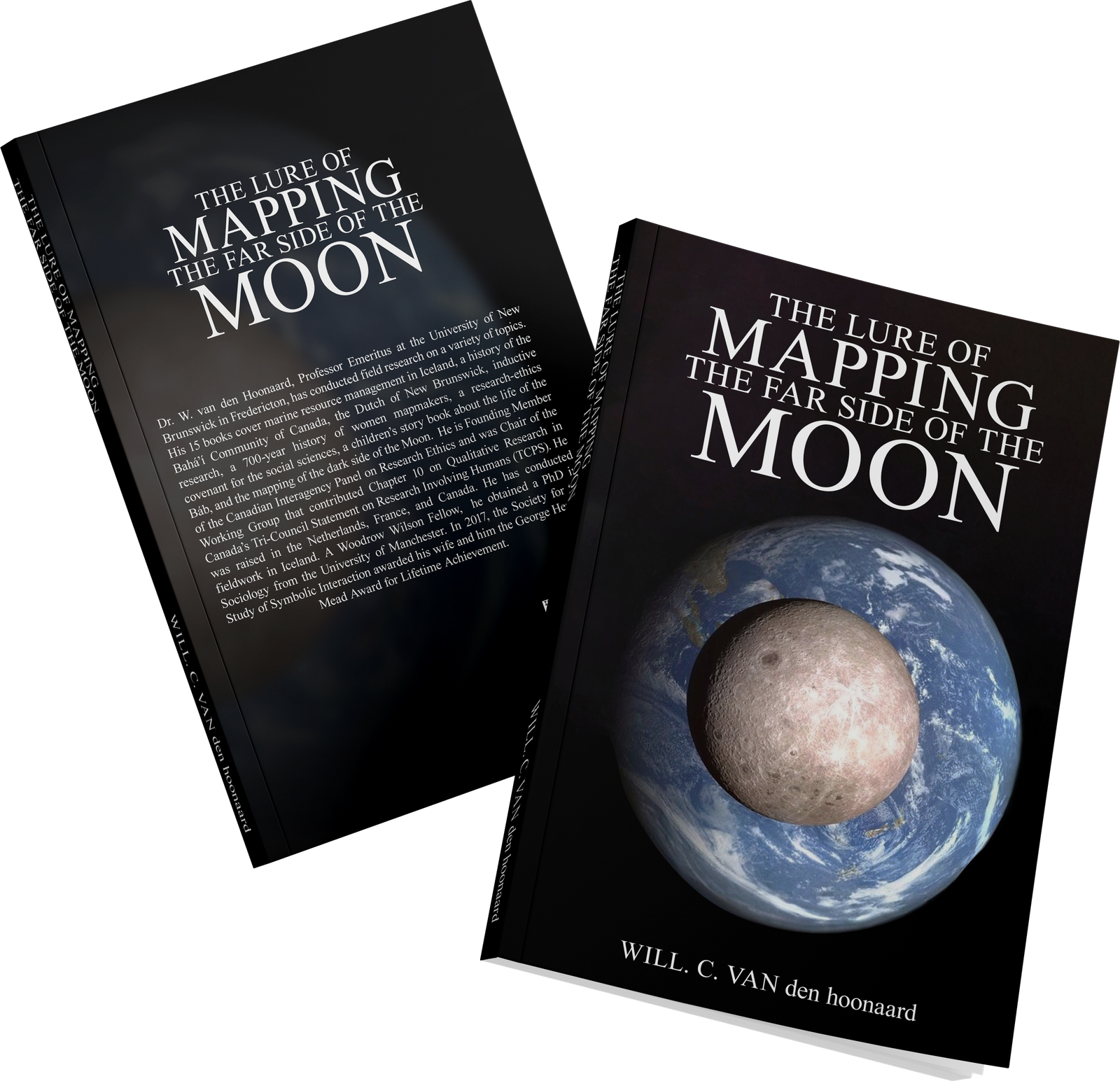
Before her death in 2013 the world-renowned mapmaker of the far side of the Moon must have gazed at the Moon and must have still wondered how she, Kira Shingareva, was able to map that side of the Moon with the primitive instruments of her day, and without robots, and facing the bureaucratic obstacles to find a new way of naming features on the Moon. This book unravels some of the secret dimensions of her bold work. It pulls together the many threads of discovery that seem unrelated to her goal of creating a map based solely on the deeply-frozen craters on the dark side of the Moon.
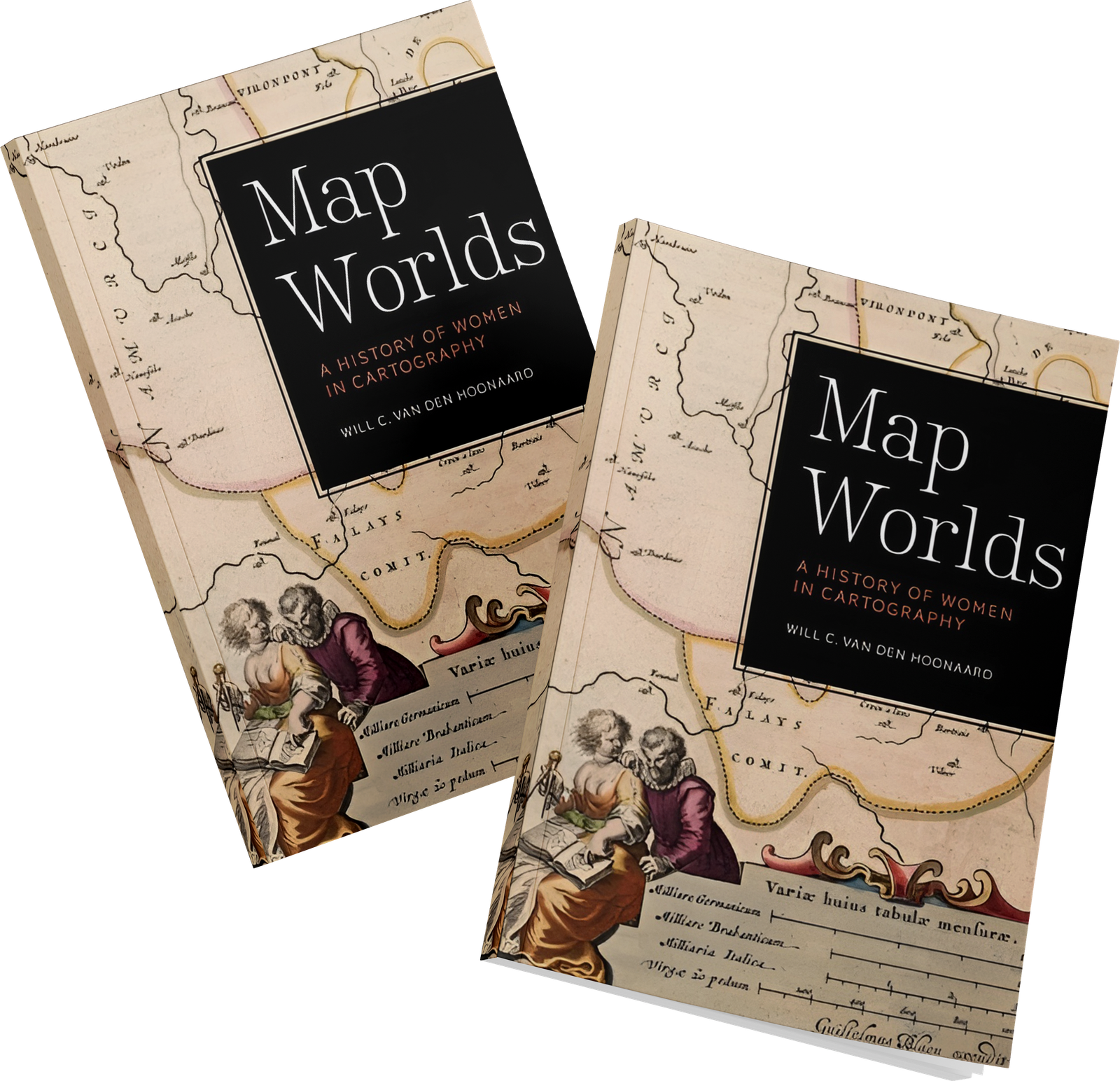
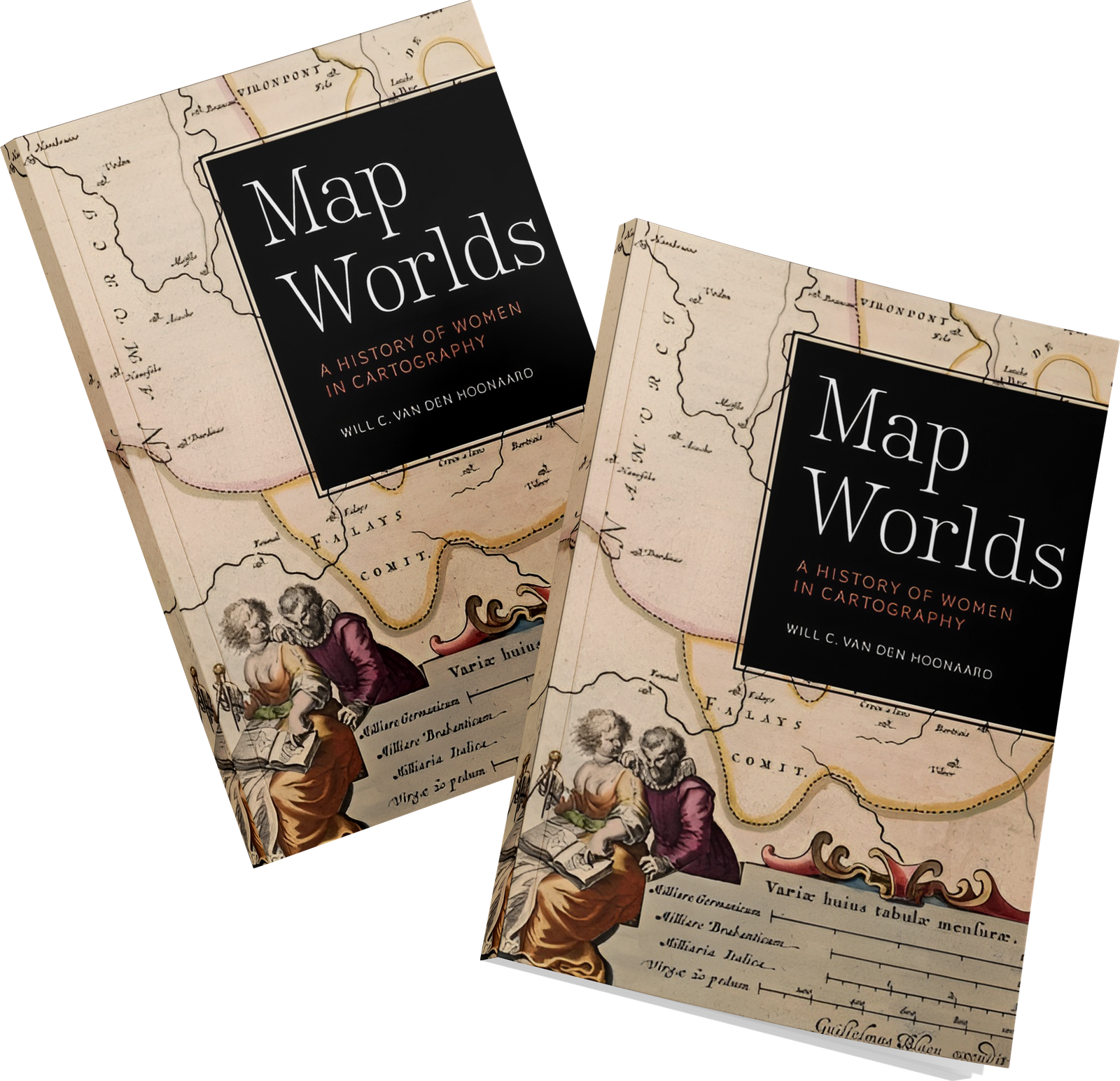
Author Will C. van den Hoonaard examines the history of women in the profession, sets out the situation of women in technical fields and cartography-related organizations, and outlines the challenges they face in their careers. Map Worlds explores women as colourists in early times, describes the major houses of cartographic production, and delves into the economic function of intermarriages among cartographic houses and families.
A life marked by unpredictable challenges and unforeseen opportunities whether facing at a young age the tragic and sudden death of a family member or struggling through a varied and rich work settings. This book exemplifies how life offers numerous bounties. It also portrays a life that resonates with the teachings of the Baha’I Faith.
Ethical dimensions of qualitative research are constantly emerging and shifting. This volume identifies relevant ethical principles that can guide novice researchers through the research process with the necessary wisdom and insight to shape a project in sound, meaningful, and thoughtful ways.
Research ethics committees are having an unintended impact on social science research in Canada and a new book by a researcher at St. Thomas University hopes to start a debate about how they are changing social research.
In a focused and concise primer, Will C. van den Hoonaard′s Working with Sensitizing Concepts reacquaints researchers with one of the most venerable yet basic tools of their discipline. Originating with Herbert Blumer in the 1950s, a sensitizing concept uses the language and expression from the research participant′s perspective and sensitizes the researcher to more fruitful lines of inquiry.


Lorem Ipsum is simply dummy text of the printing and typesetting industry. Lorem Ipsum has been the industry's standard dummy text ever since the 1500s, when an unknown printer took a galley of type and scrambled it to make a type specimen book.
Before her death in 2013 the world-renowned mapmaker of the far side of the Moon must have gazed at the Moon and must have still wondered how she, Kira Shingareva, was able to map that side of the Moon with the primitive instruments of her day, and without robots, and facing the bureaucratic obstacles to find a new way of naming features on the Moon. This book unravels some of the secret dimensions of her bold work. It pulls together the many threads of discovery that seem unrelated to her goal of creating a map based solely on the deeply-frozen craters on the dark side of the Moon.
Author Will C. van den Hoonaard examines the history of women in the profession, sets out the situation of women in technical fields and cartography-related organizations, and outlines the challenges they face in their careers. Map Worlds explores women as colourists in early times, describes the major houses of cartographic production, and delves into the economic function of intermarriages among cartographic houses and families. It relates how in later centuries, working from the margins, women produced maps to record painful tribal memories or sought to remedy social injustices. Much later, one woman so changed the way we think about continents that the shift has been likened to the Copernican revolution. Other women created order and wonder about the lunar landscape, and still others turned the art and science of making maps inside out, exposing the hidden, unconscious, and subliminal “text” of maps.

A life marked by unpredictable challenges and unforeseen opportunities whether facing at a young age the tragic and sudden death of a family member or struggling through a varied and rich work settings. This book exemplifies how life offers numerous bounties. It also portrays a life that resonates with the teachings of the Baha’I Faith.
Ethical dimensions of qualitative research are constantly emerging and shifting. This volume identifies relevant ethical principles that can guide novice researchers through the research process with the necessary wisdom and insight to shape a project in sound, meaningful, and thoughtful ways. Well known for their work in this area, the van den Hoonaards outline the domains on which ethics most often impinge. They address key ethical issues arising in different qualitative traditions and contexts. The volume concludes with guidance on how to navigate formal ethics reviews. Many key examples and other resources help the student engage the complicated literature on this topic.
Will C. van den Hoonaard chronicles the negative influence that medical research-ethics frameworks have had on social science research-ethics policies. He argues that the root causes of the current ethics disorder in the social sciences are the aggressive audit culture in universities and the privilege accorded to medical research ethics. Van den Hoonaard charts the unique history of research ethics in sociology and anthropology and provides a detailed plan for how to unshackle research ethics in the social sciences from medical frameworks. Central to this plan is an insistence that covenantal ethics be embedded in the professional training of researchers in the social sciences. Based on decades of study, advocacy, and engagement with research-ethics policy at all levels, with a chapter by Marco Marzano (University of Bergamo), the book will be of interest to scholars, policy makers, and administrators who seek to support the full potential of social science research.
Research ethics committees are having an unintended impact on social science research in Canada and a new book by a researcher at St. Thomas University hopes to start a debate about how they are changing social research.
The Seduction of Ethics: Transforming the Social Sciences by Dr. Will van den Hoonaard will be launched Friday, Sept. 16 at 3:00 pm in the Brian Mulroney Hall Rotunda. Van den Hoonaard is a Research Associate at the Atlantic Centre for Research and Qualitative Analysis at St. Thomas University and Professor Emeritus in the Sociology Department at the University of New Brunswick.
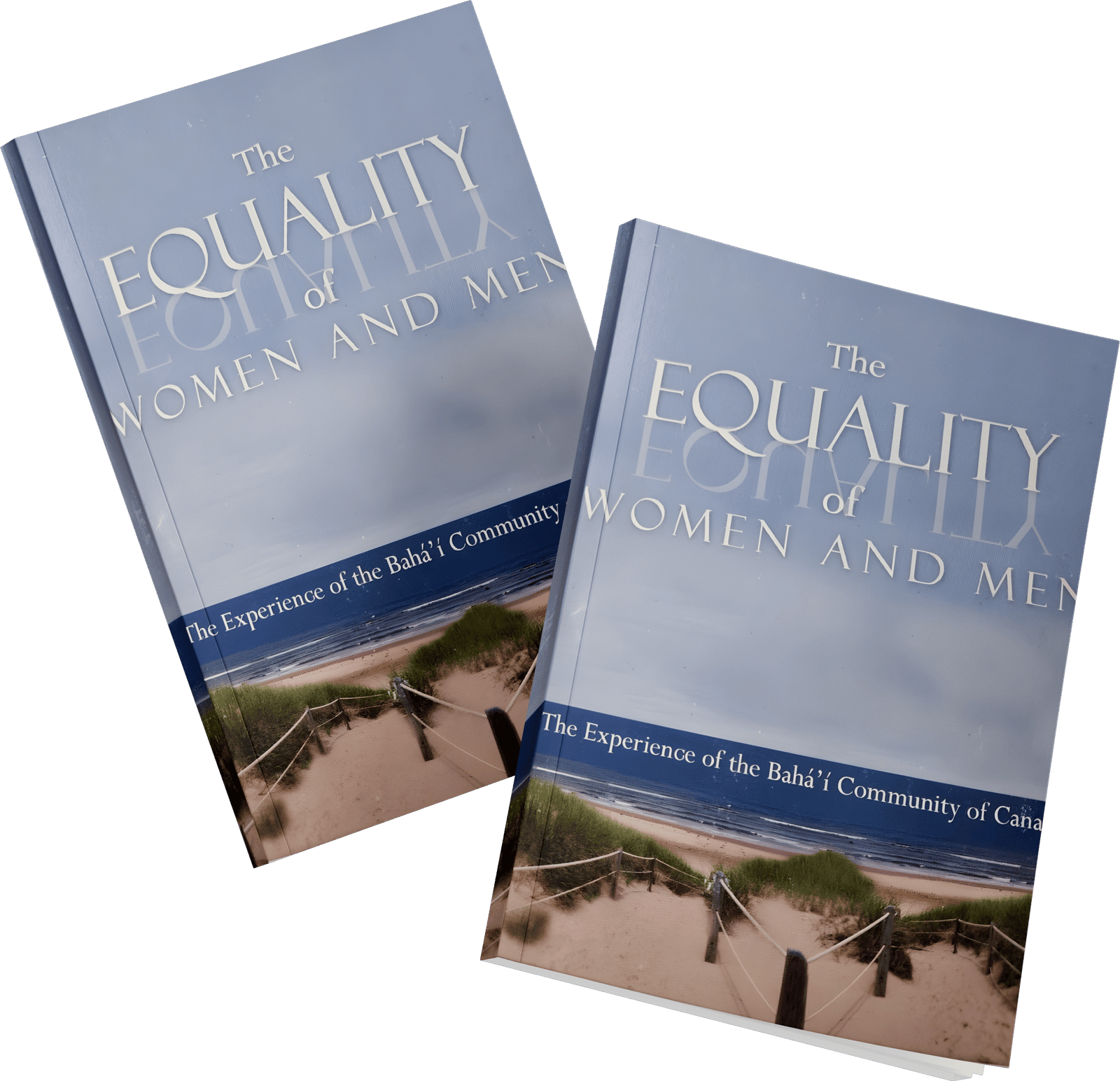
Deborah K. van den Hoonaard’s research explores the principles of gender equality within the Bahá’í community, emphasizing the challenges and discussions surrounding its implementation.
Deborah K. van den Hoonaard, along with her partner Will C. van den Hoonaard, conducted a significant study on the equality of women and men within the Bahá’í community in Canada. This research was prompted by a request from the National Spiritual Assembly of the Bahá’ís of Canada, highlighting the importance of understanding how gender equality principles are applied in practice.
The study used qualitative methods, engaging 119 participants across various focus groups. This approach allowed for a rich exploration of personal experiences and perceptions regarding gender equality within the community. The authors noted that while the principle of gender equality is a fundamental tenet of Bahá’í teachings, its practical application presents challenges.


Copyright © 2025 Will C. van den Hoonaard. All Rights Reserved